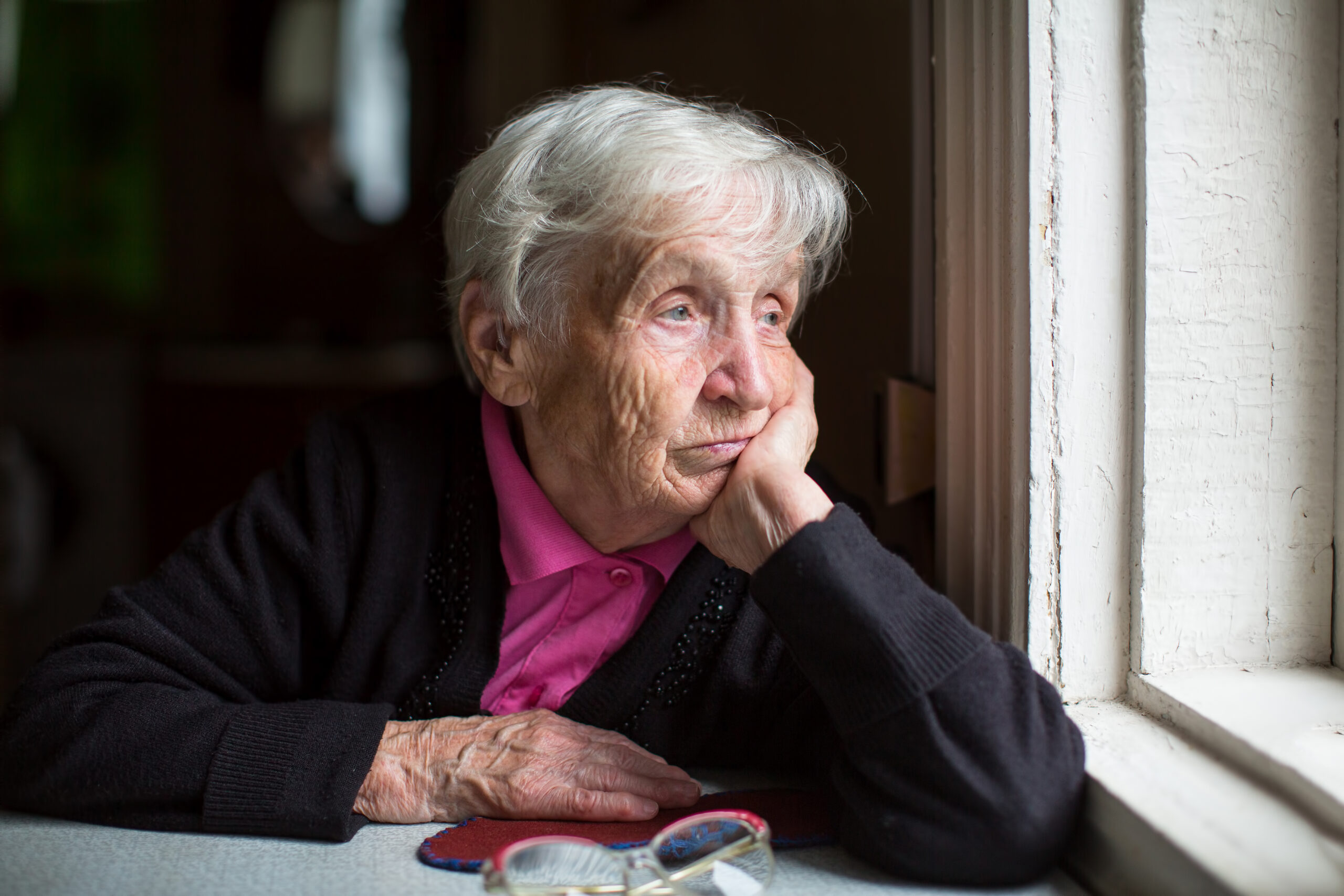
Loneliness is a serious issue so it’s important to understand how it effects vulnerable groups and what we can all do to help our loved ones and the elderly in society. Here we will look at this in detail and we will take you through how we play our part to combat loneliness at Promedica24 through our live-in care services.
Naturally, as life progresses and we age, we lose friends, family and others that we care deeply about. For some, this results in loneliness in a physical sense, a feeling that can compound and lead to mental health problems if left unaddressed.
In the worst cases, loneliness can lead to suicidal thoughts and tendencies borne out of a growing level of depression. The danger is someone becoming so used to loneliness being a part of life that they give up trying to find new ways to socialise and enjoy their golden years. The good news is there’s an abundance of organisations that offer a wide range of activities aimed at helping to relieve loneliness in the elderly.
Age UK and other charities create events within communities and have various ongoing initiatives that all help the elderly ease their suffering from loneliness. It’s important to help people find their purpose again and live out their lives as happily as possible.
The severe impact of loneliness on the elderly
To underline the importance of combatting loneliness in the elderly we need to look at some figures.
Last year, The Telegraph reported on a study by Copenhagen University Hospital that looked at the health outcomes of 13,443 people who’d had a heart attack:
“The study found that women who described themselves as lonely were three times more likely to die within a year of the attack than those with an active social life; and men in the same position were twice as likely to die within a year.”
The article also mentions that the negative health effects caused by loneliness are similar to those caused by smoking or obesity, increasing the risk of death by 26-percent. It then goes on to say that loneliness can also lead to of a variety of physical and mental health problems.
So you see, loneliness is a very serious issue and one that is always front and centre of our minds here at Promedica24, both when we provide our live-in care services and when we are championing community projects to combat loneliness.
Live-in care and loneliness
By its nature, live-in care is an antidote to loneliness, but if you’re not completely familiar with live-in care it can be hard to see why so let’s look at it in more detail and the impact each aspect has on an elderly client’s wellbeing.
Flexibility
Live-in care allows you to live life on your own terms. Get up and go to bed when you want, set your own mealtimes and see family and friends as normal. We want life to be just as it was prior to our live-in carer moving in, with the added benefit of having someone there to help at all times.
Trying new things
If you want to try new things, your carer is on hand to facilitate that. Set your own agenda for each day with the help of your carer to introduce you to new activities within the community.
Getting out there and meeting new people while learning new skills is the perfect way to dispel loneliness and find a sense of purpose again. Activities in the community quite simply provide a new lease of life. Whether it be day centres, lunch clubs, singing and dancing sessions, or learning new skills such as IT, there’s a lot on offer.
Safety & security
A less discussed problem connected to loneliness is worry. In addition to the distress of having nobody to spend time with comes concern around things like security.
With live-in care someone is always there to keep you safe. Live-in carers will ensure the property is suitably secured every night, giving you that peace of mind, and they’re there to reduce the chances of illness or injury in general. They do this by providing one-to-one medical care tailored for your specific needs, by ensuring a healthy lifestyle, and by being there physically to prevent falls and other in-home accidents.
Live-in care breaks the standard mould when it comes to social care – carers are always there and never need to rush off to attend to other patients. That comes with peace of mind, all the time.
Companionship
We’ve pointed out the damaging effect loneliness can have on long term health; having a live-in carer means company is always available. Of course, there will be times when you may want some privacy or alone time, but you will never be short of companionship when you need it.
As humans, we’re social beings. We thrive on interaction with others, which is why loneliness is so detrimental as we get older. It should be all our duties to protect our loved ones and the wider community from the effects of loneliness and it’s often the little things that can make a big difference. You never know what people are going through and it’s good to talk, so as a society it helps to make a conscious effort to be kind and be there for others.
Our carers champion this way of thinking, that’s why they have the careers they have – they care. They take the time to develop true bonds with client’s and become an extended version of the family. Our carers stay in situ for several weeks at a time before care changes hands, minimising too much change and the concern that can come with that.