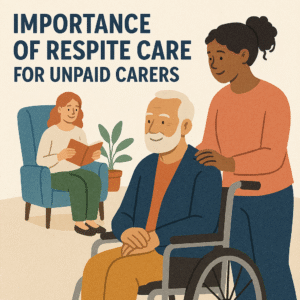
Caring for a loved one is deeply meaningful, but it can also be relentless. Many carers juggle personal responsibilities, employment, and the emotional weight of supporting someone they love. Over time, this can lead to:
- Burnout and fatigue
- Declining physical health
- Increased stress and anxiety
- Social isolation
- Reduced ability to provide safe, consistent care
Taking a break allows carers to rest, reconnect with their own lives, and return refreshed. It also ensures the person receiving care continues to have the support they need.
The Challenge: Finding Respite in Care Homes
Although care homes offer short‑term respite stays, families often struggle to secure a place when they need it. Common barriers include:
- Limited availability
Care homes frequently operate at or near full capacity. Respite beds are often the first to go, especially during peak periods such as summer holidays or Christmas.
- Long notice periods
Many homes require weeks — sometimes months — of notice to book a respite stay. This makes it difficult for carers who need support quickly or whose circumstances change unexpectedly.
- Unsuitable environments for people living with dementia
A move into an unfamiliar setting can be unsettling. For people living with dementia, the change in routine, environment, and faces can increase confusion, anxiety, and distress.
These challenges leave many carers feeling trapped, unable to take the break they desperately need.
A Flexible Alternative: Live‑In Care Respite at Home
Our live‑in respite service offers a practical, person‑centred solution that avoids the disruption of a residential stay.
What we offer:
- A minimum of one week’s respite care
- Organised within just 14 days
- A professional, fully trained live‑in carer staying in the home
- Continuity, familiarity, and personalised support
This approach means your loved one remains in the comfort of their own home — surrounded by their routines, belongings, and community. For people living with dementia, this stability can make an enormous difference to their wellbeing.
The Respite Passport: Flexible Breaks with Significant Savings
For families who know they will need regular breaks throughout the year, our Respite Passport offers exceptional value.
With the passport, you can:
- Book multiple respite periods
- Enjoy significant discounts
- Plan ahead with confidence
- Access priority scheduling
It’s a simple, cost‑effective way to build regular rest into your caring routine.
Why Home‑Based Respite Works So Well for People Living with Dementia
Familiarity is powerful. Remaining at home helps maintain:
- Established routines
- A sense of safety and independence
- Reduced anxiety and agitation
- Better sleep and daily structure
A live‑in respite carer can step seamlessly into the existing rhythm of the household, ensuring continuity and reassurance.
Funding Support: What Families Should Know
Some carers may be eligible for financial support to help with respite. Local authorities can offer:
- Carer’s assessments
- Direct payments
- Short‑break funding
- Support through adult social care teams
Families should contact their local adult social services to explore what funding or support may be available.
Final Thoughts
Unpaid carers give so much of themselves. Taking a break isn’t selfish — it’s essential. Respite protects carers’ wellbeing, strengthens family relationships, and ensures loved ones continue to receive safe, compassionate care.
With flexible, home-based live-in respite available within 14 days — and the added value of our Respite Passport — families can finally access the support they need, when they need it.
If you’d like help planning your next respite break or want to explore how live‑in care could support your family, I’m here whenever you’re ready to continue the conversation.
If you would like to learn more about live-in care respite, please feel free to contact us.
👤 Gary Derbyshire
📞 07419111981
🔗 [Live-in Care (https://www.promedica24careathome.co.uk)
🏡 Offering an affordable alternative to residential care homes