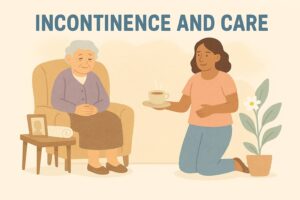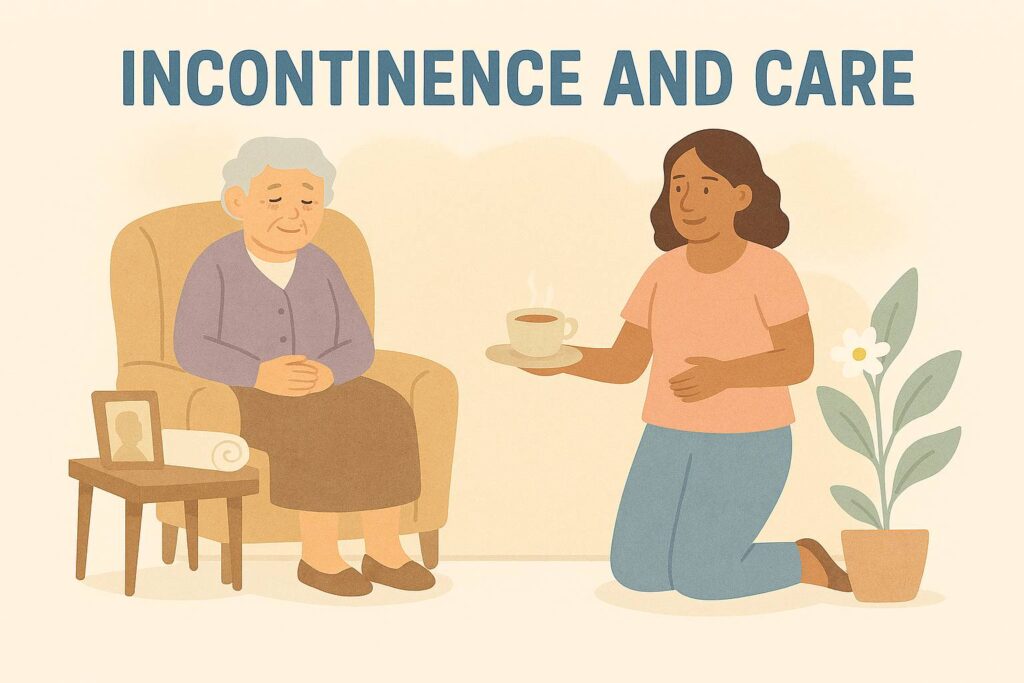
Incontinence is one of the most sensitive and often misunderstood aspects of later‑life care. For many families, it’s the moment they fear most — not because of the practicalities, but because of what it represents: vulnerability, loss of control, and the need to trust someone else with the most intimate parts of daily life.
As care providers, how we respond to this moment says everything about our values. Continence care is never just a task. It’s a profound act of respect.
The Human Impact of Poor Continence Care
When continence support is rushed, inconsistent, or handled without sensitivity, the effects can be deeply damaging. Research shows that undignified continence care can leave people feeling dehumanised, ashamed, and emotionally withdrawn. These experiences can linger long after the moment has passed, creating lasting psychological trauma and eroding a person’s sense of self-worth.
For people living with dementia, the stakes are even higher. Continence challenges are often intertwined with cognitive changes, and poor practice — such as focusing solely on containment rather than promoting independence — can strip individuals of autonomy and dignity. Observational studies have found that inappropriate language and impersonal routines around continence care are still far too common, undermining basic human rights to privacy and respect.
Dignity Isn’t Optional — It’s Foundational
Dignity in continence care means:
- Privacy: Supporting someone to use the toilet in a way that protects their personal space and sense of control.
- Respectful communication: Speaking with warmth, patience, and clarity — never about the person, always with them.
- Involvement: Including individuals in decisions about their routines wherever possible, preserving independence and agency.
- Consistency: Ensuring care is predictable, gentle, and tailored to the person’s needs, not the convenience of the system.
These principles aren’t luxuries. They are the bedrock of compassionate care. As the British Geriatrics Society has long emphasised, everyone — regardless of age or ability — should be able to use the toilet in private and with dignity.
When Systems Fail, People Suffer
Recent sector discussions have highlighted how systemic shortcomings — understaffing, lack of training, and insufficient oversight — can lead to poor continence care and, ultimately, to neglect. The message is clear: when dignity slips, harm follows.
Poor continence care doesn’t just affect physical health. It shapes emotional wellbeing, relationships, and a person’s willingness to engage with the world around them. Families feel the impact too, often carrying guilt or distress when they see their loved one’s dignity compromised.
A Call for Compassionate, Person‑Centred Practice
As we move through February — a month often associated with care, connection, and looking after one another — it’s a timely reminder that continence care must be delivered with empathy at its core.
We can do better by:
- Investing in training that prioritises dignity and communication
- Auditing continence practices regularly to ensure respectful standards
- Encouraging open conversations that reduce stigma and shame
- Supporting carers with the tools, time, and emotional space they need to provide compassionate care
Above all, we must remember that continence care is not about products or processes. It’s about people — their comfort, their confidence, and their right to feel valued.
Closing Thought
Dignity isn’t something we give; it’s something we protect. When we approach continence care with gentleness and humanity, we don’t just meet a need — we honour a person.
👤 Gary Derbyshire
📞 07419111981
🔗 [Live-in Care (https://www.promedica24careathome.co.uk)
🏡 Offering an affordable alternative to residential care homes